Introduction
Storm season in South East Queensland builds through late spring and runs across summer, and a single afternoon cell can drop a month’s worth of rain in a few hours. Most flooding and pooling problems on a property trace back to the same thing: drains that were blocked, undersized or never checked before the first big storm.
A few hours of preparation now costs far less than repairing water damage later. Here is the checklist we recommend to homeowners and property managers across the Gold Coast, Brisbane and surrounding areas.
1. Clear and inspect stormwater pits and grates
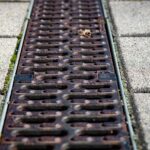
Leaves, mulch, soil and building debris collect in pits and stop water reaching the pipe. Check each pit on your property:
- Remove leaves and surface debris from the grate
- Look for cracked, bent or missing grates
- Note any silt or sand build-up that suggests the pit is filling from below
- Keep your hands, tools and body out of the pit itself
If a pit is more than half full of sediment, it needs a proper clean-out.
2. Check gutters, downpipes and connections
Downpipes should feed into the stormwater system, not simply discharge at the base of a wall. Look for downpipes that have disconnected, cracked or filled with debris, and gutters that overflow in light rain. Water spilling beside a slab or footing is a common cause of foundation movement.
3. Watch where the water goes
After the next light shower, walk the property. Water should move away from buildings, not towards them. Warning signs include:
- Puddles still sitting hours after rain has stopped
- Water pooling against walls, garage doors or retaining walls
- Soft, boggy patches of lawn
- Driveways or paving that slope the wrong way
These are signs of poor falls, blocked pipes or inadequate surface drainage.
4. Listen for early warning signs underground
Gurgling drains, slow drainage, damp patches along a pipe line and sinking paving can all point to a blocked or damaged stormwater pipe. Tree roots are one of the common causes of stormwater problems on the Gold Coast, where large native trees and palms seek out moisture. A CCTV inspection shows exactly what is happening inside the pipe without digging anything up.
5. Keep overland flow paths clear
When pipes reach capacity, stormwater travels across the surface. Garden beds, sheds, solid fences and raised paving built across these paths can redirect water towards your home or a neighbour’s property. Before changing levels or building across a low point, get advice, because redirecting stormwater can create legal and safety problems.
6. Know when to call a professional
Clearing a grate is a job for the homeowner. The following are not:
- Repeated flooding or pooling in the same spot
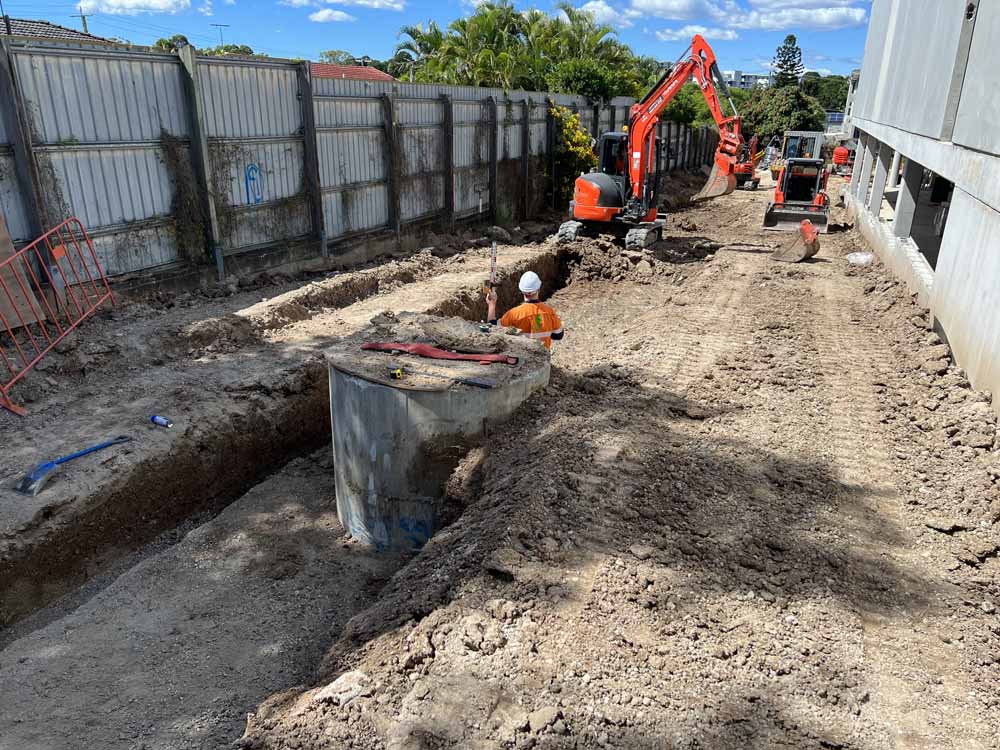
- Collapsed, root-invaded or undersized pipes
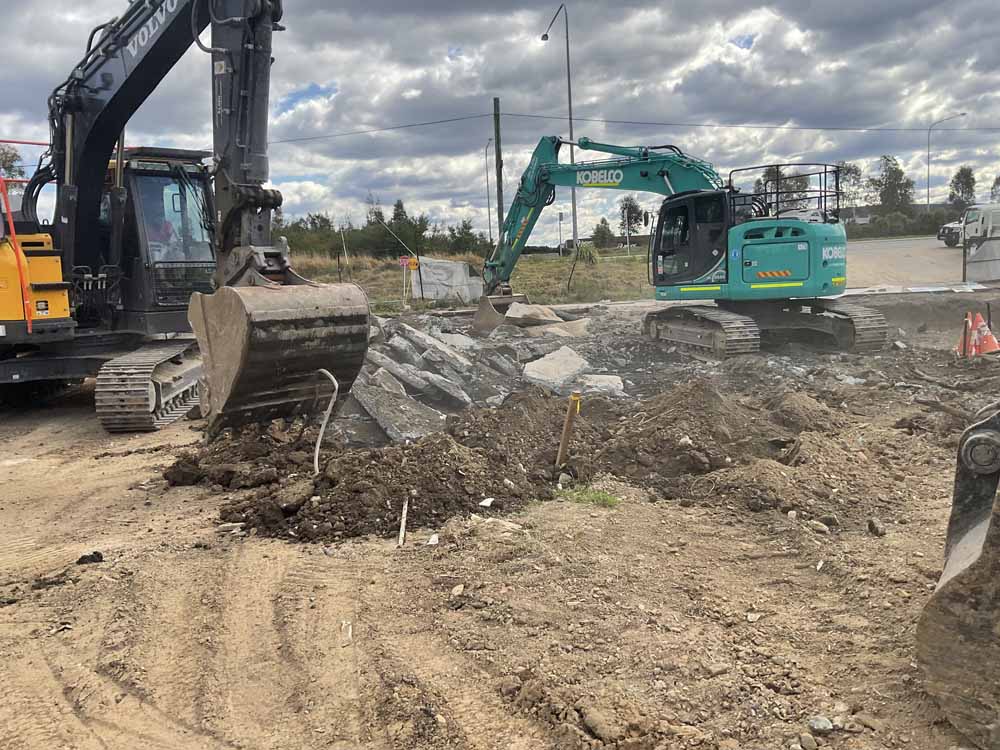
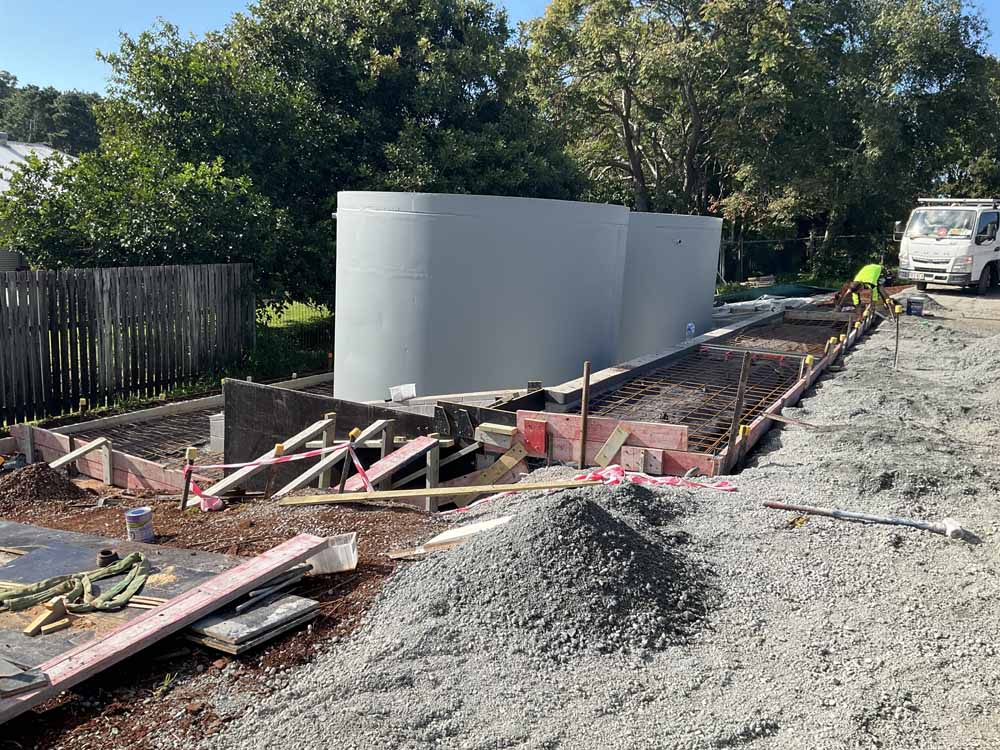
- New pipework, additional pits or connections to the street system
- Regrading a yard or driveway for better fall
Drainage work generally needs to be carried out by a licensed professional, so check a contractor’s licence with the QBCC before you hire. DIY fixes can also make problems worse, as we explain in our guide to the risks of DIY drain cleaning in Brisbane and SE QLD.
Frequently asked questions
When is storm season in South East Queensland? It generally runs from late spring through summer, roughly November to March, although severe storms can occur outside that window.
How often should stormwater pits be cleaned? At minimum, before storm season starts and again after heavy leaf fall or nearby building work. In leafy streets, quarterly is a sensible schedule.
Can I fix drainage problems myself? Surface clearing is fine. Pipework, regrading and connections to council stormwater should be left to a licensed professional.
Conclusion
Storm season is far easier to handle when your drains are ready for it. If you’ve found pooling, slow drainage or damaged pits while working through this checklist, HITZ Drainage Contractors can inspect, diagnose and repair stormwater systems across the Gold Coast, Brisbane and South East Queensland. Call 0400 777 683 or request a free quote.