Introduction
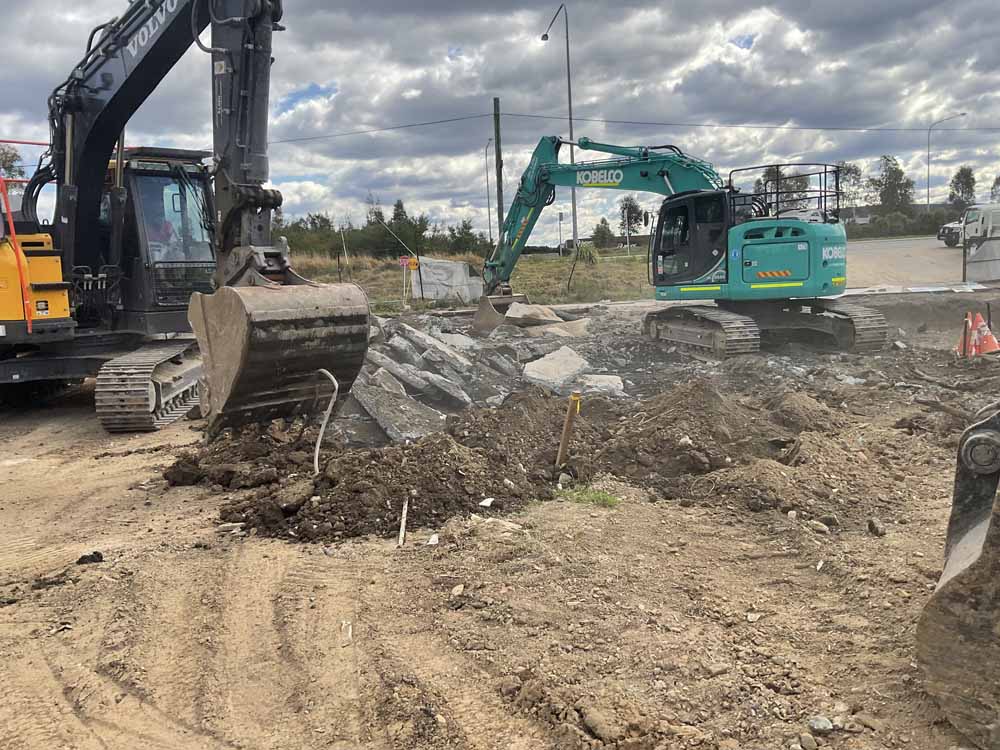
If you’re hiring an excavator, dump truck or bulldozer for a job on the Gold Coast, the first question any plant hire company will ask is whether you want wet hire or dry hire. The answer changes your cost, your insurance exposure and who is responsible if something goes wrong on site.
This guide explains the difference in plain terms so you can choose the right option for your project. If you’re also comparing providers, see our guide on how to choose the right civil earthworks and drainage contractor.
What is dry hire?
Dry hire means you rent the machine only. You supply the licensed operator, and you are generally responsible for fuel, daily checks and the machine while it is on your site.
Dry hire suits businesses that already employ qualified operators and need extra machines for a short period.
What is dry hire?
Wet hire means the machine comes with a skilled operator. The hire company usually covers operator wages, supervision and the day-to-day running of the machine, although fuel, transport and other items vary between providers, so confirm what the quote includes.
Wet hire suits most homeowners, builders and developers who don’t have in-house operators.
How to choose between them
- Do you have a qualified operator? If not, wet hire is the practical choice. Operating earthmoving plant without the right competency is a safety and insurance risk.
- How complex is the work? Trenching near services, work on slopes and tight-access sites reward an operator who has done the job many times.
- Who carries the risk? With dry hire, damage to the machine or to underground services during your hire is typically your responsibility. Check what the hire agreement and your insurance say.
- How long do you need it? For a one- or two-day job, wet hire is usually simpler. For long hires with your own crew, dry hire can work out cheaper.
- What else is involved? Floating machines to site, supplying tip trucks and removing spoil all affect the total price.
Questions to ask before you book
- What size machine do I need for this job and for site access?
- What is included in the hourly or daily rate?
- Are float, fuel and operator travel time charged separately?
- Is there a minimum hire period?
- Do you carry public liability insurance, and can I see the certificate?
- Will you check for underground services before digging?
Do I need to call Before You Dig?
Yes. Underground pipes, cables and fibre lines are common on residential and commercial sites across South East Queensland. Before You Dig Australia is a free service, and checking plans before any excavation work is standard practice for any reputable contractor.
Frequently asked questions
Is wet hire more expensive than dry hire? The hourly rate is usually higher because it includes the operator, but you avoid the cost of hiring or supplying your own, so the total can be lower for short or specialised jobs.
What plant can I hire for civil and drainage work? Common choices include excavators, dump trucks, bulldozers and tippers. Ask your provider which machine size suits your site.
Can I hire plant for a small residential job? Yes. Smaller machines suit tight access and backyard work, while larger plant is better for bulk earthworks and subdivisions.
Conclusion
Choosing between wet and dry hire comes down to operator experience, risk and the scope of the job. HITZ Drainage Contractors supplies plant hire and civil earthworks backed by 30+ years of civil experience across the Gold Coast, Brisbane and South East Queensland. Tell us about your project on 0400 777 683 or request a free quote and we’ll recommend the right machine and arrangement.